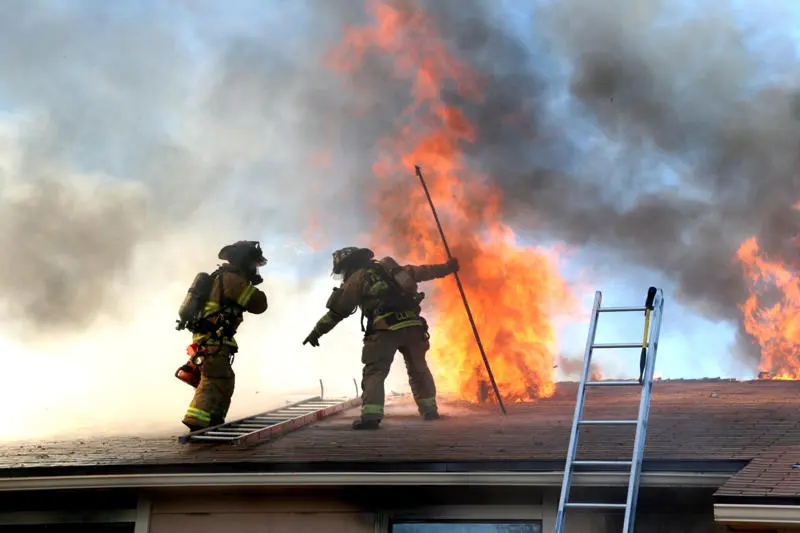
When wildfire smoke is in the air, it is natural to look at your home and wonder: If embers landed on my roof today, what would happen?
It is a scary thought, but it is also an important one. Your roof is one of the first parts of your home exposed during a wildfire. Burning embers can travel ahead of the main fire, land on roofs, collect in gutters, slip through vents, or ignite dry debris near the home.
That is why fire-resistant roofing in Utah matters. A fire-resistant roof will not make your home completely fireproof, but it can help reduce risk, slow fire spread, and give your home a better chance during wildfire conditions.
At The Roof Doctor, we want Utah homeowners to understand how roofing materials, roof maintenance, and defensible space all work together to protect a home.
For current Utah wildfire updates, Be Ready Utah recommends checking Utah Fire Info and watching for Red Flag Warnings during wildfire season.
Fireproof vs. Fire-Resistant: What Homeowners Should Know
First, let’s clear up one important point: no roof is 100% fireproof.
Given enough heat, time, and exposure, almost any building material can be damaged. The better goal is to make your roof and property as fire-resistant as possible.
During a wildfire, many homes do not ignite from a wall of flames reaching the front door. Instead, they ignite from embers and small flames. NFPA explains that embers and small flames are the main way most homes ignite during wildfires, and those embers can be carried more than a mile by wind.
That means your home’s risk is not only about how close the fire is. It is also about whether embers can find something to burn.
A fire-resistant roof and property are designed to:
- Reduce places where embers can collect
- Limit flammable materials near the home
- Slow flame spread
- Protect the attic and roof deck
- Give firefighters more time to respond
What Are Class A, B, and C Roof Fire Ratings?
Roofing materials are tested and rated based on how they perform when exposed to fire from outside the home. Two common testing standards are ASTM E108 and UL 790.
ASTM E108 measures things like flame spread, fire penetration through the roof covering, and whether the roof material creates flying burning brands during testing. UL 790 also describes Class A, B, and C roof coverings based on severe, moderate, or light fire exposure.
Here is the simple homeowner version:
Class A Roofing: Highest Fire Resistance
Class A is the highest fire rating. These materials are designed to offer strong protection against severe fire exposure and help protect the roof deck underneath.
Common Class A roofing materials may include:
- Fiberglass asphalt shingles
- Metal roofing with the right underlayment
- Slate
- Concrete tile
- Clay tile
For Utah homes in wildfire-prone areas, Class A roofing is usually the best place to start.
Class B Roofing: Moderate Fire Resistance
Class B roofing provides moderate fire protection. It may be acceptable in some areas, but it does not offer the same level of protection as Class A.
Some treated wood shakes or certain synthetic materials may fall into this category, depending on the product and installation.
Class C Roofing: Light Fire Resistance
Class C roofing offers only light fire protection. It is not the ideal choice for homes in areas with higher wildfire risk.
Untreated wood shake roofing can be especially risky. If a wood shake roof is old, dry, untreated, or unrated, it can become one of the biggest fire vulnerabilities on a home.
Why the Roof Is Only Part of the Wildfire Equation
A Class A roof is important, but it is not the whole story.
Your home can still be vulnerable if embers collect in gutters, blow into attic vents, land under a deck, or ignite dry mulch next to the siding.
Wildfire Risk to Communities explains that the 0–5 foot area around the home is especially vulnerable to embers. They recommend removing flammable mulch, cleaning gutters and roofs, avoiding combustible storage under decks, and hardening areas like roofs, vents, siding, windows, and eaves.
In other words, fire protection works best when the roof, attic, siding, landscaping, and surrounding property all work together.
Utah Homeowner Wildfire Roof Checklist
Use this checklist to look for common wildfire risks around your roof and property.
1. Clean Your Gutters
Dry leaves, pine needles, twigs, and other debris can collect in gutters. If embers land there, the fire can spread to fascia boards, eaves, and roof edges.
Clean your gutters regularly during wildfire season, especially if you have trees near your home.
2. Clear Debris From Roof Valleys
Roof valleys naturally collect leaves and dry debris. Unfortunately, those are also areas where wind-blown embers can settle.
If you can see debris in your roof valleys from the ground, schedule a safe cleaning or roof inspection.
3. Check Attic and Roof Vents
Unprotected vents can allow embers to enter the attic. Once embers get inside, they can ignite insulation, framing, or stored items.
FEMA recommends replacing existing vent covers with corrosion-resistant 1/8-inch or 1/16-inch wire mesh, or using approved ember- and flame-resistant vents.
4. Watch for Gaps Around Flashing and Eaves
Small gaps around flashing, eaves, soffits, and roof transitions can become ember entry points.
A roofing inspection can help identify areas where your roof system may need repair, sealing, or reinforcement.
5. Trim Branches Near the Roof
Tree limbs that hang over the roof can drop leaves, scrape shingles, and create a path for fire to move closer to the home.
A good rule of thumb is to keep branches away from the roof and chimney whenever possible.
6. Replace Wood Mulch Near the Home
Bark mulch and wood chips near the foundation can act like a fuse if embers land in them.
Within the first five feet of your home, consider using gravel, river rock, concrete, or another noncombustible material instead.
7. Do Not Store Firewood Under Decks or Against the Home
Firewood, lumber, cardboard, patio cushions, and plastic storage bins can all ignite if embers land nearby.
Keep combustible items away from the house, especially under decks, porches, and eaves.
8. Look at Your Roof’s Age and Condition
Even a fire-rated roof can become more vulnerable as it ages. Missing shingles, lifted edges, cracked tiles, exposed underlayment, or damaged flashing can all create weak points.
If your roof is older or already showing signs of wear, a roof inspection can help you understand whether repair or replacement is the safer long-term option.
When Should You Consider a Fire-Resistant Roof Upgrade?
You may want to talk with a roofer about fire-resistant roofing options if:
- Your roof is older or near the end of its life
- You have wood shake roofing
- Your home is near open land, foothills, canyons, or dry vegetation
- You have had wildfire smoke, ash, or embers near your neighborhood
- Your roof has missing, cracked, or lifted materials
- You are already planning a roof replacement
- You want to improve your home’s wildfire readiness
If you are replacing your roof, ask about Class A roofing materials and the full roof assembly, including underlayment, ventilation, flashing, and installation details.
How The Roof Doctor Can Help
Wildfire preparation starts with awareness, but a trained eye can help you find roof vulnerabilities you may not notice from the ground.
At The Roof Doctor, we help Utah homeowners evaluate the condition of their roof and understand what may need attention before wildfire season gets worse.
Our team can help with:
- Roof health inspections
- Checking for missing or damaged shingles
- Looking for debris traps and weak points
- Inspecting flashing, eaves, and roof edges
- Evaluating attic ventilation concerns
- Discussing fire-resistant roofing options
- Recommending repair or replacement when needed
Our goal is simple: help you protect your home with clear information and practical next steps.
Do Not Wait Until the Smoke Gets Closer
Wildfires can move quickly, but home preparation happens one step at a time.
Cleaning gutters, removing debris, screening vents, trimming branches, and choosing fire-resistant roofing materials can all help reduce your home’s vulnerability.
If you are concerned about your roof’s condition or want to know whether your home is ready for wildfire season, contact The Roof Doctor today to schedule a roof health inspection.
We proudly serve homeowners throughout Salt Lake City, Sandy, West Jordan, West Valley City, and surrounding Utah communities.
FAQs About Fire-Resistant Roofing in Utah
Is any roof completely fireproof?
No. No roof is completely fireproof. However, many roofing materials are fire-resistant and can help reduce the risk of ignition during wildfire conditions.
What is the best roof rating for wildfire-prone areas?
Class A is the highest fire rating for roof coverings. For homes in wildfire-prone areas, Class A roofing materials are generally the strongest option.
Can asphalt shingles be fire-resistant?
Yes. Many fiberglass asphalt shingles have a Class A fire rating when installed as part of the proper roofing system. Always ask your roofing contractor about the specific product and full roof assembly.
Are wood shake roofs safe during wildfire season?
Untreated or unrated wood shake roofs can be a major wildfire risk. If you have an older wood shake roof, it is a good idea to schedule an inspection and talk with a roofer about safer replacement options.
What is the most important thing I can do before wildfire season?
Start with the areas closest to your home. Clean your roof and gutters, remove combustible materials within five feet of the house, screen vents, trim nearby branches, and schedule a roof inspection if you see damage or aging materials.