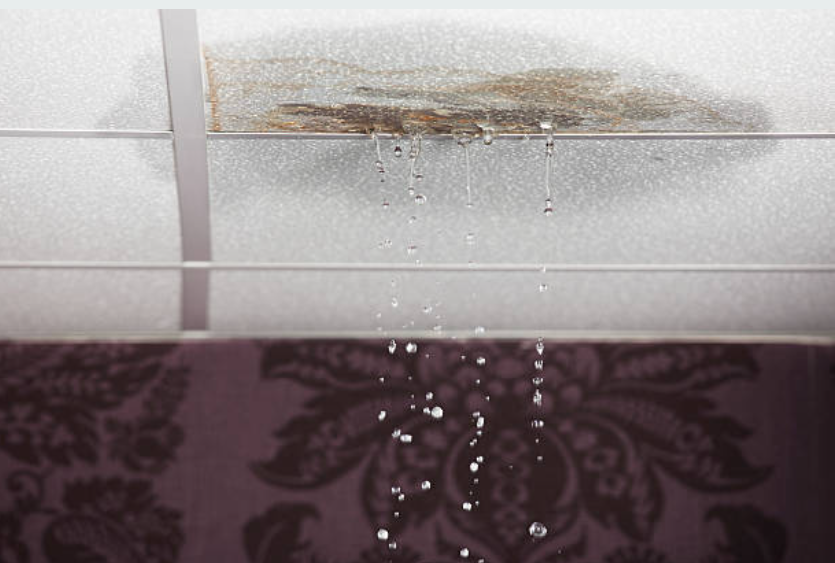
A roof leak is one of those home problems that can make your stomach drop fast. One minute everything seems fine, and the next you are staring at a water stain on the ceiling, a drip in the hallway, or damp insulation in the attic.
If you are searching for roof leak repair in Utah, you are probably trying to figure out one thing first:
Is this a small repair, or is my roof telling me there is a bigger problem?
The answer depends on where the leak is coming from, how long it has been happening, how old your roof is, and whether the damage is isolated or widespread.
At The Roof Doctor, we help homeowners throughout Salt Lake City, Sandy, West Jordan, West Valley City, and surrounding Utah communities inspect roof leaks, identify the source, and decide whether a repair or replacement makes the most sense.
Why Roof Leaks Should Not Be Ignored
Even a small roof leak can lead to bigger damage if it is left alone.
Water can travel under shingles, behind walls, through insulation, and across framing before it finally shows up inside your home. That means the stain on your ceiling may not be directly under the actual problem on the roof.
A roof leak can lead to:
- Water stains on ceilings or walls
- Wet insulation
- Damaged drywall
- Mold or mildew concerns
- Rotten decking or framing
- Damaged flashing
- Higher repair costs over time
The sooner you find the source, the easier it usually is to limit the damage.
Signs You May Have a Roof Leak
Some leaks are obvious. Others are easier to miss, especially if they start in the attic or only happen during certain weather.
Watch for signs like:
- Brown or yellow ceiling stains
- Dripping water during rain or snowmelt
- Damp attic insulation
- Musty smells
- Peeling paint near ceilings or walls
- Missing, cracked, or lifted shingles
- Water around vents, chimneys, or skylights
- Granules collecting in gutters
- New stains after a storm
If you notice any of these signs, it is worth scheduling an inspection before the damage spreads.
When Roof Leak Repair May Be a Quick Fix
Not every roof leak means you need a full roof replacement. In some cases, the issue is small, isolated, and repairable.
A roof leak may be a quicker fix if the problem is caused by one specific issue, such as:
A Missing or Damaged Shingle
Strong Utah winds can lift or remove shingles, especially if they were already loose or aging. If the surrounding roof is still in good condition, replacing a few damaged shingles may solve the problem.
A Cracked Pipe Boot
Pipe boots are the rubber or metal pieces that seal around plumbing vents on your roof. Over time, the rubber can crack, shrink, or pull away. This is a common leak source and may be repairable if caught early.
Loose or Damaged Flashing
Flashing helps direct water away from roof transitions, chimneys, skylights, walls, and vents. If one section of flashing is loose or damaged, a targeted repair may be enough.
Exposed Nail Heads or Small Sealant Failures
Sometimes a leak comes from a small opening where a nail has backed out or old sealant has failed. These repairs can be simple, but they still need to be done correctly so water does not return.
Clogged Gutters or Debris
If gutters are clogged, water may back up under the roof edge or overflow into areas it should not. Cleaning gutters and checking the roof edge may help prevent further issues.
In these situations, a repair can often solve the leak without replacing the entire roof. The key is making sure the leak is truly isolated and not part of a larger roofing problem.
When a Roof Leak May Be a Bigger Problem
Some roof leaks are warning signs that the roof system is starting to fail. If the leak is not isolated, keeps coming back, or is tied to aging materials, a quick patch may only buy a little time.
A roof leak may point to a bigger issue if:
- The roof is older or near the end of its lifespan
- Leaks keep returning in the same area
- There are multiple water stains inside the home
- Shingles are curling, cracking, or losing granules
- Large sections of shingles are missing or lifted
- The roof deck feels soft or sagging
- There is widespread storm, wind, or hail damage
- Flashing is failing in several areas
- Ice dams or poor ventilation are contributing to leaks
In these cases, repairing one spot may not fix the real problem. You may need more extensive repairs, a roof tune-up, or a full roof replacement.
Why Roof Leaks Can Be Hard to Diagnose
One of the tricky things about roof leaks is that water does not always travel in a straight line.
Water may enter near a chimney, vent, valley, skylight, or damaged shingle, then travel along rafters or underlayment before showing up somewhere else inside the home.
That is why guessing can be expensive.
A good roof inspection should look at the full area around the leak, not just the stain inside. Your roofer should check shingles, flashing, valleys, vents, pipe boots, gutters, roof edges, attic conditions, and the overall age of the roof.
What to Do When You Notice a Roof Leak
If you find a leak, the first step is to protect your home from more interior damage.
Here is what to do:
1. Catch the Water
Place a bucket, towel, or container under the drip. If water is spreading across the ceiling, keep an eye on sagging drywall.
2. Move Furniture and Belongings
Protect anything that could be damaged by water, especially electronics, rugs, furniture, and personal items.
3. Take Photos
Document the leak, stains, damaged areas, and any visible exterior storm damage. Photos can be helpful if insurance becomes part of the conversation.
4. Do Not Climb on the Roof During Bad Weather
Wet roofs are dangerous. It is better to stay safe and call a professional roofer.
5. Schedule a Roof Inspection
A roofer can identify the source of the leak, explain what caused it, and let you know whether a repair or replacement is the better option.
Roof Repair vs. Roof Replacement: How Do You Know?
This is the question most homeowners really want answered.
A roof repair may make sense when the leak is limited to one area, the roof is still in good shape, and the rest of the roofing system has useful life left.
A roof replacement may be the better option when the roof is aging, leaks are recurring, damage is widespread, or repairing one area would only delay a larger issue.
The right answer depends on your roof’s condition. A trustworthy roofer should explain what they found, show you photos when possible, and help you understand the pros and cons of each option.
Do Roof Leaks Qualify for Insurance?
Sometimes, but not always.
Insurance may be involved if the leak was caused by sudden storm damage, such as wind, hail, or falling debris. However, leaks caused by age, poor maintenance, worn-out materials, or long-term deterioration may not be covered.
Before filing a claim, it can help to have the roof inspected so you understand what caused the leak and how serious the damage is.
A roofer can document visible roofing damage and provide an estimate, but your insurance company decides what your policy covers.
Why Choosing the Right Roofer Matters
Roof leak repair is not just about stopping the drip you can see. It is about finding the source, understanding the condition of the roof, and making sure the repair actually protects your home.
Before hiring a roofer, ask:
- What caused the leak?
- Is the damage isolated or widespread?
- What repair do you recommend, and why?
- Are there photos of the damage?
- Is the roof near the end of its life?
- What is included in the estimate?
- What should I watch for after the repair?
A clear roofing company should be willing to answer direct questions and help you understand the next step without pressure.
Need Roof Leak Repair in Utah?
If you have a roof leak, do not wait for it to get worse.
The Roof Doctor provides roof inspections, roof leak repair, roof replacement, and storm damage roofing services throughout Salt Lake City, Sandy, West Jordan, West Valley City, and surrounding Utah communities.
Whether your leak is a small repair or a sign of a bigger roofing problem, our team can inspect your roof, explain what we find, and help you choose the right next step.
Contact The Roof Doctor today to schedule a roof inspection or request an estimate.
FAQs About Roof Leak Repair in Utah
Is a roof leak always an emergency?
Not every roof leak is an emergency, but every leak should be taken seriously. Even a small leak can lead to water damage if it is ignored.
Can a roof leak be repaired without replacing the whole roof?
Yes. If the damage is isolated and the rest of the roof is in good condition, a repair may be enough. A professional inspection can help determine whether repair or replacement makes more sense.
Why does my roof only leak during heavy rain?
Heavy rain can expose weak spots that may not leak during lighter storms. The issue could be damaged flashing, lifted shingles, clogged gutters, roof valleys, or wind-driven rain entering a vulnerable area.
How do I know if my roof leak is from storm damage?
Storm damage may include missing shingles, lifted shingles, hail marks, dented vents, damaged flashing, or debris impact. If the leak started after a storm, schedule an inspection and document any visible damage.
Should I call a roofer or my insurance company first?
Many homeowners start with a roof inspection so they understand the likely cause and severity of the damage. If there is obvious storm damage or active leaking, you may also want to contact your insurance provider.
How quickly should I fix a roof leak?
As soon as possible. Waiting can allow water to damage insulation, drywall, decking, and framing, which may make the repair more expensive later.