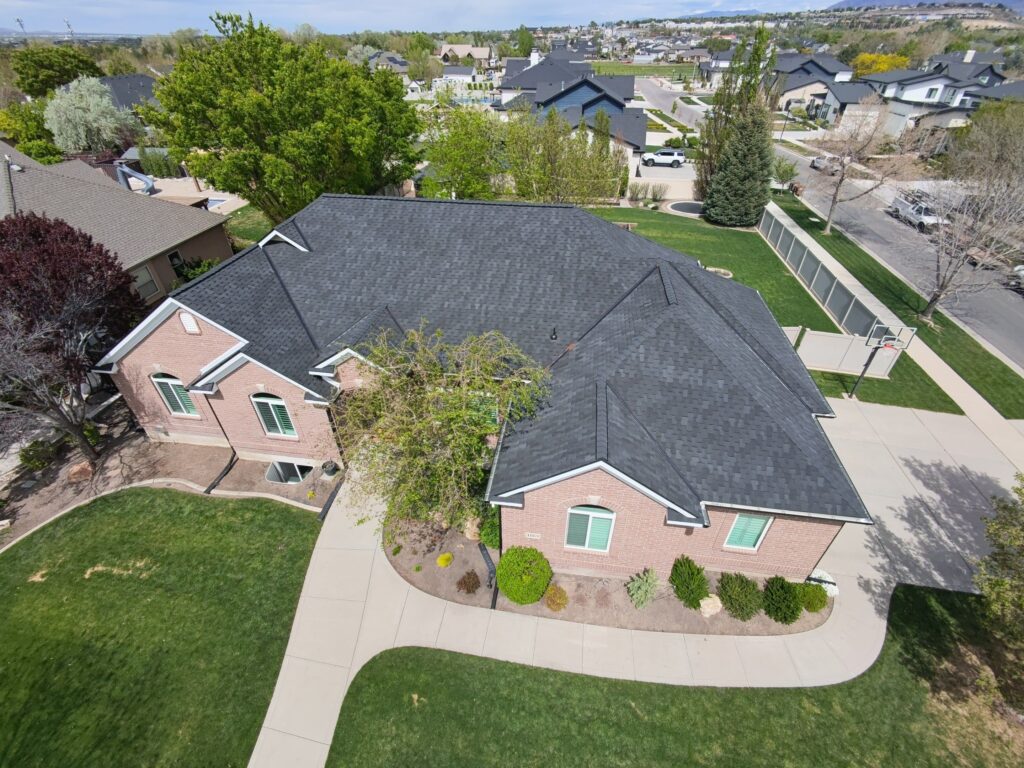
Wind can be tough on a roof, especially in Utah communities where storms, open exposure, canyon winds, and changing weather can put extra stress on roofing materials. Even when damage is not obvious from the ground, strong wind can lift shingles, loosen flashing, move roof panels, crack tile, or leave your home more exposed to water.
Your roof is one of your home’s first defenses against high wind and wind-driven rain, which is why proper materials, installation, and maintenance matter so much in high-wind areas.
At The Roof Doctor, we provide roof repair and roof replacement services throughout Salt Lake City, Sandy, West Jordan, West Valley City, Tooele, and nearby Utah areas. If you live in a windy area or recently had a windstorm come through, here is what you should know about protecting your roof and spotting damage early.
How Wind Can Damage Your Roof
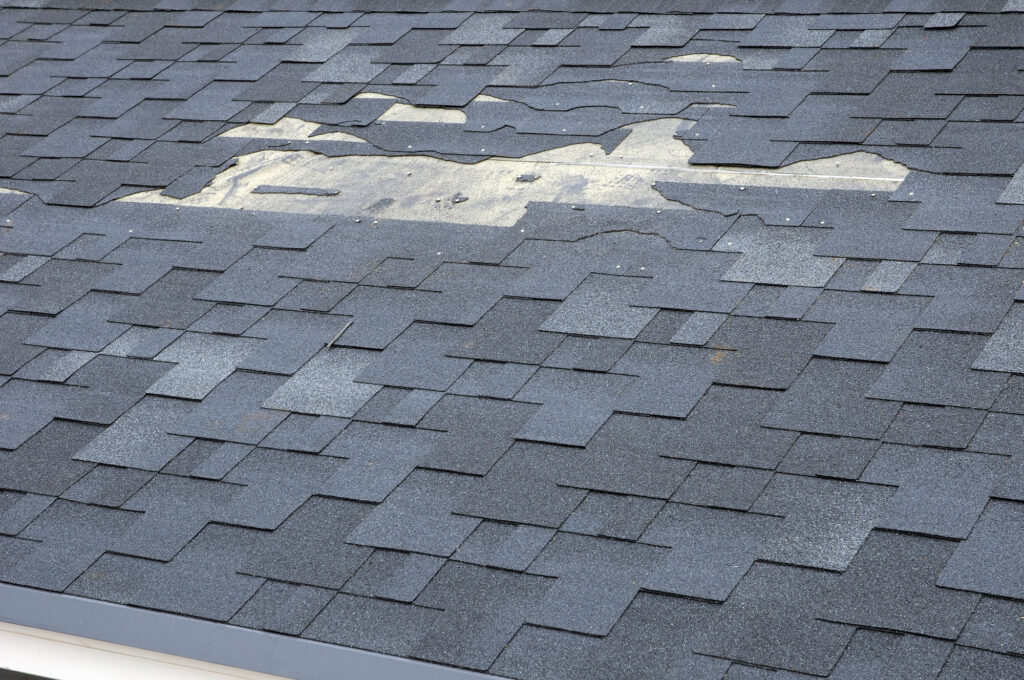
Wind does not always damage a roof by simply blowing materials away. Sometimes it starts with smaller problems that get worse over time.
High winds can create uplift, which pulls at shingles, panels, flashing, and roof edges. Once part of the roofing system loosens, rain, snow, and debris can find their way underneath. FEMA notes that high winds can damage roof flashing, increasing the risk of water intrusion from wind-driven rain.
Common signs of wind roof damage include:
- Missing shingles
- Lifted, curled, or creased shingles
- Loose flashing around chimneys, vents, or skylights
- Granules collecting in gutters
- Exposed underlayment or decking
- Cracked or shifted roof tiles
- Loose metal panels or fasteners
- Debris impact from branches or nearby objects
- New leaks after a storm
If you notice any of these signs, it is smart to schedule a roof inspection before the damage spreads.
Why Proper Installation Matters in High-Wind Areas
One of the best ways to prevent high wind roofing damage is to make sure the roof is installed correctly from the beginning.
A roof is not just shingles, tiles, or metal panels. It is a full system that includes underlayment, flashing, fasteners, ventilation, decking, edges, and drainage. If one part of the system is weak, wind can exploit it.
A quality roofing contractor should understand:
- When repair is enough and when replacement makes more sense
- Which materials are appropriate for your home
- How to secure roofing materials for local wind conditions
- Where roof edges and flashing may need extra attention
- How to follow manufacturer installation requirements
- How to inspect for hidden storm damage
IBHS describes its FORTIFIED program as a beyond-code construction and re-roofing approach designed to reduce storm damage by strengthening areas of buildings that are vulnerable to high winds and heavy rain. That is a good reminder that wind resistance is not just about the roof covering — it is about how the whole roof system is built and secured.
Maintenance Tips to Help Prevent Wind Damage
You cannot control the weather, but you can reduce your roof’s risk before the next storm. Here are a few ways Utah homeowners can help protect a roof in a high-wind area:
Keep Trees Trimmed
Overhanging branches can scrape roofing materials or break during a windstorm. Keeping trees trimmed away from the roof helps reduce the risk of impact damage.
Clean Gutters Regularly
Clogged gutters can trap water and debris along the roofline. Clean gutters help water move away from the roof and home properly.
Watch for Loose or Missing Shingles
After a windstorm, look for shingles in the yard, uneven roof sections, or areas that appear lifted. Do not climb on the roof yourself if conditions are unsafe. A professional roof inspection is the better option.
Check Flashing and Roof Penetrations
Flashing around chimneys, skylights, vents, and roof transitions is especially important. If flashing becomes loose, water can enter even if the rest of the roof looks fine.
Schedule Routine Roof Inspections
A roof inspection can catch small issues before they become expensive repairs. This is especially helpful if your roof is older or your home is in an area that gets frequent wind.
What to Do After a Windstorm
If a strong windstorm has moved through your area, take a few simple steps before calling your insurance company or scheduling repairs.
First, check your property from the ground. Look for missing shingles, pieces of roofing material, fallen branches, damaged gutters, or signs of leaks inside the home.
Next, take photos or videos of anything that looks damaged. Documentation can be helpful if you need to contact your insurance provider.
Then, schedule a professional roof inspection. A roofer can check for damage that may not be visible from the ground, including lifted shingles, loose flashing, or exposed areas where water could enter.
If your roof has active leaking or obvious damage, do not wait. Wind damage can get worse quickly when rain or snow follows.
Insurance Considerations for Wind Roof Damage
If you think your roof was damaged by wind, review your homeowner’s insurance policy and contact your insurance provider to understand your coverage. Every policy is different, so it is important to know what is covered, what your deductible is, and what documentation may be needed.
Before repairs begin, try to document the damage with photos and notes. A professional roofing estimate can also help clarify the extent of the damage and the recommended repair or replacement scope.
When choosing a roofing company, look for one that communicates clearly, explains the damage, and gives you an estimate you can understand.
When Should You Call a Roofer?
You should call a roofer if you notice missing shingles, leaks, loose flashing, storm debris, damaged gutters, or roof materials in your yard. You should also schedule an inspection if your roof is older or if a major windstorm recently moved through your area.
Even if the damage looks small, it is better to find out early. A minor repair now may help prevent a larger roof replacement later.
Need Roof Repair in a High-Wind Area of Utah?
If you are concerned about roofing in high-wind areas, The Roof Doctor is here to help. We provide roof inspections, roof repairs, and roof replacement services in Salt Lake City, Sandy, West Jordan, West Valley City, and surrounding Utah communities.
Whether you have missing shingles, storm damage, loose flashing, or questions about replacing an older roof, our team can inspect your roof, explain what we find, and help you choose the right next step.
Contact The Roof Doctor today to schedule a roof inspection or request an estimate.
FAQs About Roofing in High-Wind Areas
The best roof depends on your home, budget, location, and installation quality. Asphalt shingles, metal roofing, tile, and slate can all perform well when installed correctly and maintained properly. A local roofer can help you compare options for your home.
Common signs include missing shingles, lifted shingles, loose flashing, cracked tiles, exposed underlayment, granules in gutters, roof debris in the yard, and leaks after a storm.
Yes. Wind can lift or crease shingles without removing them completely. This can weaken the seal and make the roof more vulnerable to future leaks.
You do not need a full inspection after every windy day, but you should check your property after major storms. If you see damage or suspect a problem, schedule a professional inspection.
Many policies may cover sudden storm or wind damage, but coverage depends on your specific policy, roof condition, deductible, and cause of damage. Review your policy and contact your insurance provider for details.