
Is It Too Late in the Year to Replace a Roof in Utah?
If fall is already here and winter is around the corner, you may be wondering: Is it too late in the year to replace a roof in Utah?
The short answer is: not always.
A roof replacement in Utah can often be done in the fall, and sometimes even into winter, as long as the weather, temperature, roof condition, and installation plan allow for it. The real question is not just what month it is. The better question is whether your roof can be replaced safely and correctly in the current conditions.
At The Roof Doctor, we help Utah homeowners understand when roof replacement makes sense, when a repair may be enough for the season, and when waiting until spring could create bigger problems.
Why Fall Can Be a Smart Time for Roof Replacement in Utah
Fall can actually be a great time to replace a roof in Utah.
The extreme summer heat has usually passed, winter snow may not be here yet, and many homeowners are trying to prepare their homes before freezing temperatures arrive. If your roof has missing shingles, leaks, storm damage, worn flashing, or aging materials, taking care of it before winter can help prevent snow, ice, and moisture from making the damage worse.
Salt Lake City’s average first fall freeze is around October 20, according to the National Weather Service Salt Lake City Climate Book, which is why timing matters once fall begins.
That does not mean roofing has to stop the moment temperatures drop. It just means the project needs to be planned carefully.
When Is It Too Late to Replace a Roof?
It may be too late to replace a roof if the weather no longer allows the job to be done safely or correctly.
A roofing project may need to be delayed if there is:
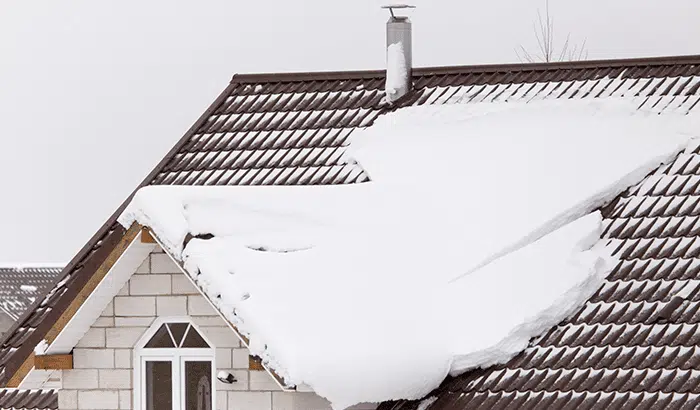
- Snow or ice on the roof
- Frost on the decking
- Wet conditions that will not dry out
- Unsafe wind
- Temperatures too cold for standard installation
- Not enough daylight to complete important stages
- A roof pitch or layout that creates safety concerns
- A forecast that does not allow for a proper installation window
A good roofer should not force a roof replacement into bad conditions just to get the job done quickly. The goal is to protect your home, not rush through a project that could create problems later.
How Cold Weather Affects Asphalt Shingles
Most Utah homeowners have asphalt shingles, and cold weather does affect how shingles are handled and installed.
GAF explains that when temperatures dip below 40°F, asphalt shingles lose flexibility and may crack if they are handled too roughly. GAF also notes that asphalt shingles use a thermally activated sealing strip, which needs warmth, sun, and temperatures above 40°F to activate on its own. Read more: GAF’s cold-weather shingle installation guidance
That does not automatically mean shingles cannot be installed in cooler weather. It means the roofer needs to follow the manufacturer’s cold-weather installation instructions.
For example, GAF says its official recommendation is to install shingles at temperatures of at least 40°F, but installation can occur below that when contractors follow required cold-weather precautions, such as hand sealing.
In simple terms: fall or winter roofing is possible, but it should not be treated like a warm-weather install.
1. The Roof Deck Needs to Be Dry and Clean
A successful roof replacement starts with the roof deck.
During a full tear-off, the old shingles are removed so the decking can be inspected. If the wood is soft, rotted, wet, or damaged, it should be addressed before new roofing materials are installed.
In colder months, moisture matters even more. A roof deck should be free of snow, frost, ice, and trapped moisture before installation begins. GAF specifically notes that proper deck preparation is important in cool weather and that the deck should be clean and free of snow, frost, or ice.
If a roofer is willing to install over wet or icy conditions, that is a red flag.
2. Shingles May Need Extra Handling
Cold shingles can become stiff. That means crews need to handle, cut, and place them more carefully to avoid cracking or damaging the material.
In cool-weather installations, shingles should also be stored properly before they are installed. GAF recommends storing bundles in a temperature-controlled environment before installation and bringing smaller amounts onto the roof at a time so they do not cool down too quickly.
This is one reason it matters who you hire. A fall or winter roof replacement should be handled by a roofer who understands the extra steps needed in colder weather.
3. Shingles May Need to Be Hand-Sealed
In warm weather, shingles typically seal down with heat from the sun. In cooler weather, that seal may not activate right away.
That matters because unsealed shingles can be more vulnerable to wind uplift and water infiltration. GAF explains that shingles may need to be hand-sealed in cool weather using approved asphalt roofing cement when temperatures are not warm enough for the seal strip to activate naturally.
If you are scheduling roof replacement in Utah late in the year, ask your roofer:
- Will the shingles seal properly in these conditions?
- Will hand sealing be needed?
- Are you following the manufacturer’s cold-weather instructions?
- How could the temperature affect my warranty?
- What happens if the forecast changes?
A professional roofer should be able to answer those questions clearly.
4. Weather Delays Are Normal
Fall and winter roofing schedules can be less predictable.
Even if your project is scheduled, rain, snow, frost, wind, or cold temperatures may push the job back. That can be frustrating, but weather delays are sometimes the responsible choice.
GAF notes that winter roofing can involve delayed start times due to frost, shorter daylight hours, possible snow delays, and the need to plan work during the warmest parts of the day.
A good contractor should communicate clearly if the schedule needs to change. You should know what to expect, when materials may arrive, when work may begin, and how your home will be protected if weather interrupts the project.
5. Waiting Until Spring Can Sometimes Cost More
If your roof is still in decent condition, waiting until spring may be fine. But if your roof is already leaking, missing shingles, or showing storm damage, waiting through winter can be risky.
Snow, ice, freeze-thaw cycles, and heavy moisture can make existing roof problems worse. A small leak in October can become damaged insulation, stained drywall, or rotten decking by spring.
You may not need a full replacement immediately, but you should at least know what condition your roof is in before winter hits.
A fall roof inspection can help you decide whether you need:
- A small repair before winter
- Temporary protection
- A roof replacement before snow
- A plan to replace the roof in spring
- More information before making a decision
The worst option is going into winter not knowing whether your roof is ready.
6. A Repair May Be Enough to Get Through Winter
Not every roofing problem requires a full replacement right away.
If your roof has one isolated issue, such as a missing shingle, cracked pipe boot, small flashing problem, or minor leak, a repair may be enough to protect your home until a larger project makes sense.
A repair may be a good short-term option if:
- The roof is not at the end of its life
- The damage is limited to one area
- The roof is not leaking in multiple spots
- The decking appears sound
- The rest of the shingles still have useful life left
- Weather conditions are not ideal for full replacement
A trustworthy roofer should explain whether repair or replacement is the better option based on your roof’s actual condition.
7. The Right Roofer Matters More Late in the Year
Late-season roofing requires good planning, clear communication, and proper installation practices.
Before choosing a roofer for fall or winter roof replacement in Utah, ask:
- Have you installed roofs in cooler weather before?
- What temperature range do you need for this project?
- How do you handle shingle sealing in cold weather?
- What happens if the roof is wet, icy, or frosted?
- Will the decking be inspected during tear-off?
- What warranty applies?
- How will you protect my home if the weather changes?
- What timeline is realistic?
The right roofer should not pressure you into a rushed decision. They should explain the conditions, the risks, the options, and the best path forward.
So, Is It Too Late to Replace Your Roof?
It depends.
It may not be too late if the weather is dry, temperatures are workable, the roof can be installed according to manufacturer instructions, and your roofer has a clear plan for cool-weather conditions.
It may be better to wait or repair temporarily if the roof is covered in snow or ice, the deck cannot stay dry, temperatures are too low for proper installation, or the forecast does not allow enough safe working time.
The best way to know is to schedule a roof inspection. A roofer can look at the condition of your shingles, flashing, decking, ventilation, and leak areas, then help you decide whether to move forward now or plan for spring.
Need Roof Replacement in Utah Before Winter?
If you are wondering whether it is too late in the year to replace your roof, The Roof Doctor can help.
We provide roof inspections, roof repair, and roof replacement services throughout Salt Lake City, Sandy, West Jordan, West Valley City, Tooele, and surrounding Utah communities.
Our team can inspect your roof, explain what we find, and help you understand whether a fall roof replacement, winter repair, or spring project makes the most sense for your home.
Contact The Roof Doctor today to schedule a roof inspection or request an estimate before winter weather settles in.